Narrative Painting
How to Create Narrative Paintings (Part 3)
Character studies and final execution
December 3, 2019
This is the final installment in the series on creating narrative paintings. In Part 2, I discussed the composition, charcoal study, color study, and major revisions of “Reaching Shore.” In this post, I will focus on the character studies — how individual figures were developed through drawing, painting studies, and how they evolved throughout the creation of the work.
Character Changes and Development
The characters in a narrative painting are its soul. Each figure must tell its own story while contributing to the larger narrative. For “Reaching Shore,” the characters went through extensive development and revision. Some figures were changed entirely during the painting process as I sought to strengthen the emotional impact and narrative clarity of the composition.
敘事畫中的人物是其靈魂。每個人物都必須講述自己的故事,同時為更大的敘事做出貢獻。對於「到彼岸」,人物經歷了廣泛的開發和修訂。
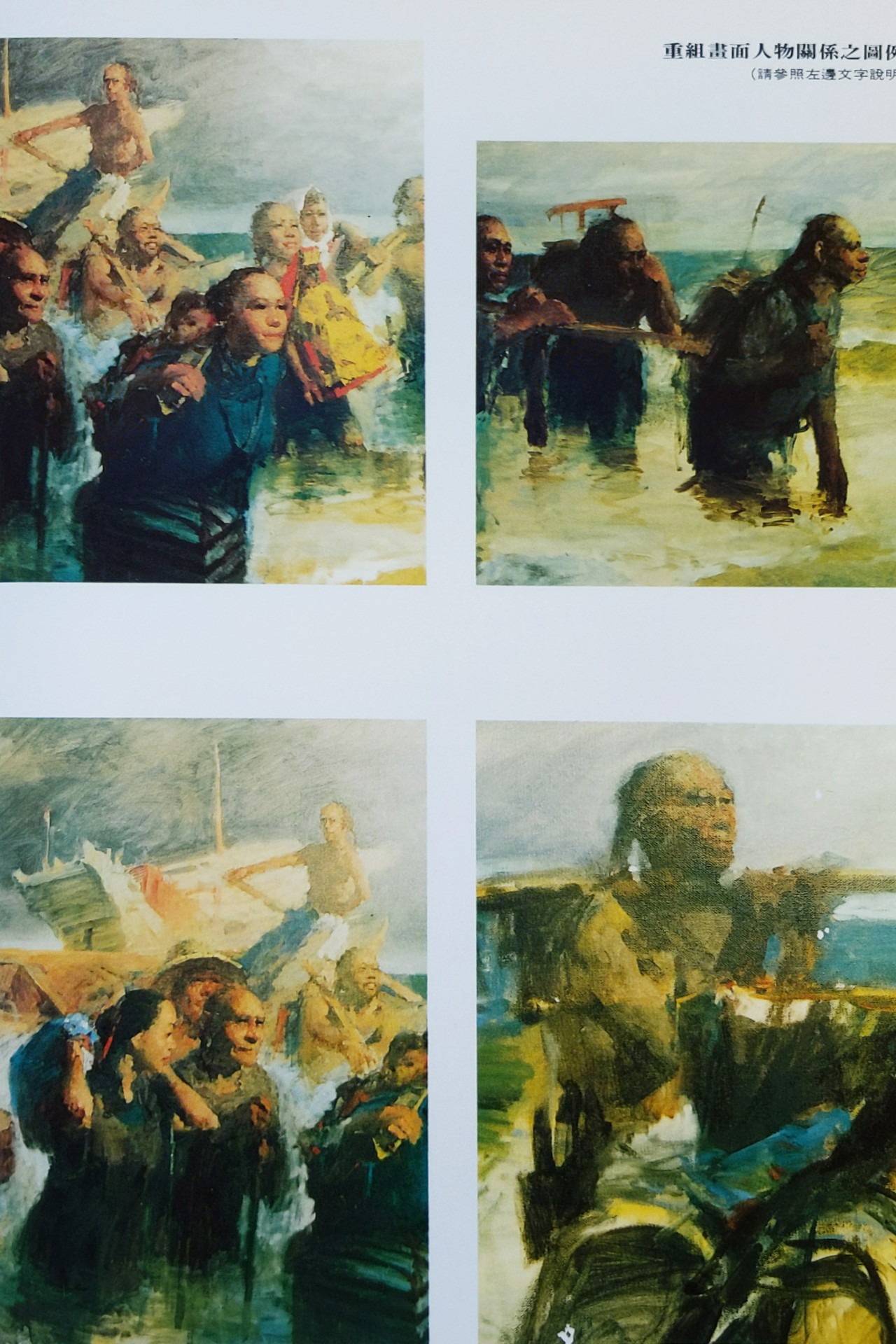
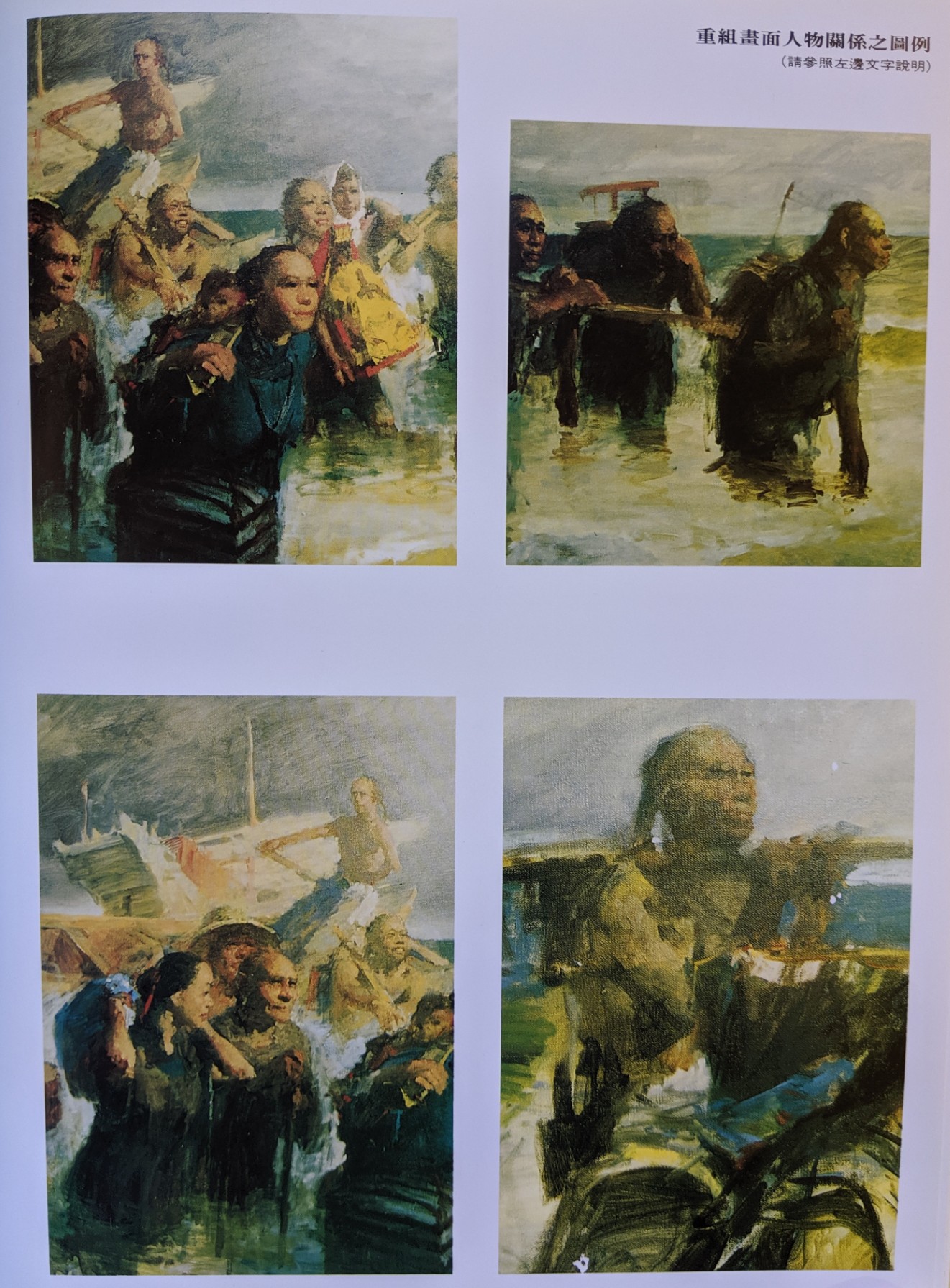
The relationship between characters is as important as the individual figures themselves. How figures interact — through gesture, gaze, and physical proximity — creates the emotional fabric of the painting. I spent considerable time studying and adjusting these relationships.
人物之間的關係與單個人物本身一樣重要。人物如何通過姿勢、凝視和身體的接近來互動,創造了畫作的情感結構。
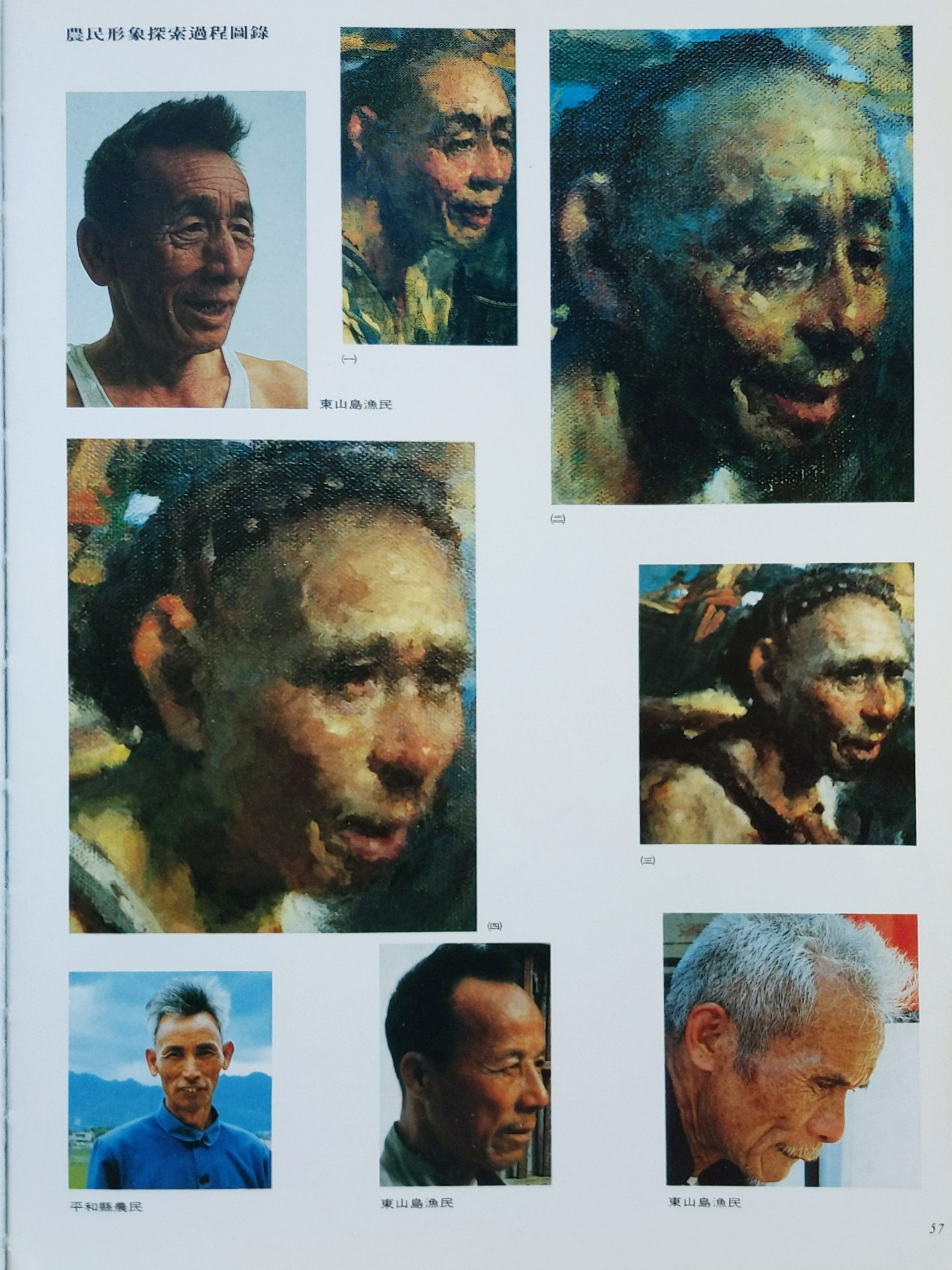
The Farmer
The farmer is one of the central figures in “Reaching Shore.” He represents the common working people who endure hardship with quiet dignity. The character study for the farmer went through several iterations, exploring different postures, facial expressions, and clothing to find the right balance of strength and vulnerability. I used a live model for reference, but the final figure is an idealized composite — not a portrait of any single individual, but a representation of an archetype.
農夫是「到彼岸」中的核心人物之一。他代表了以安靜的尊嚴忍受苦難的普通勞動人民。農夫的人物研究經歷了多次迭代。
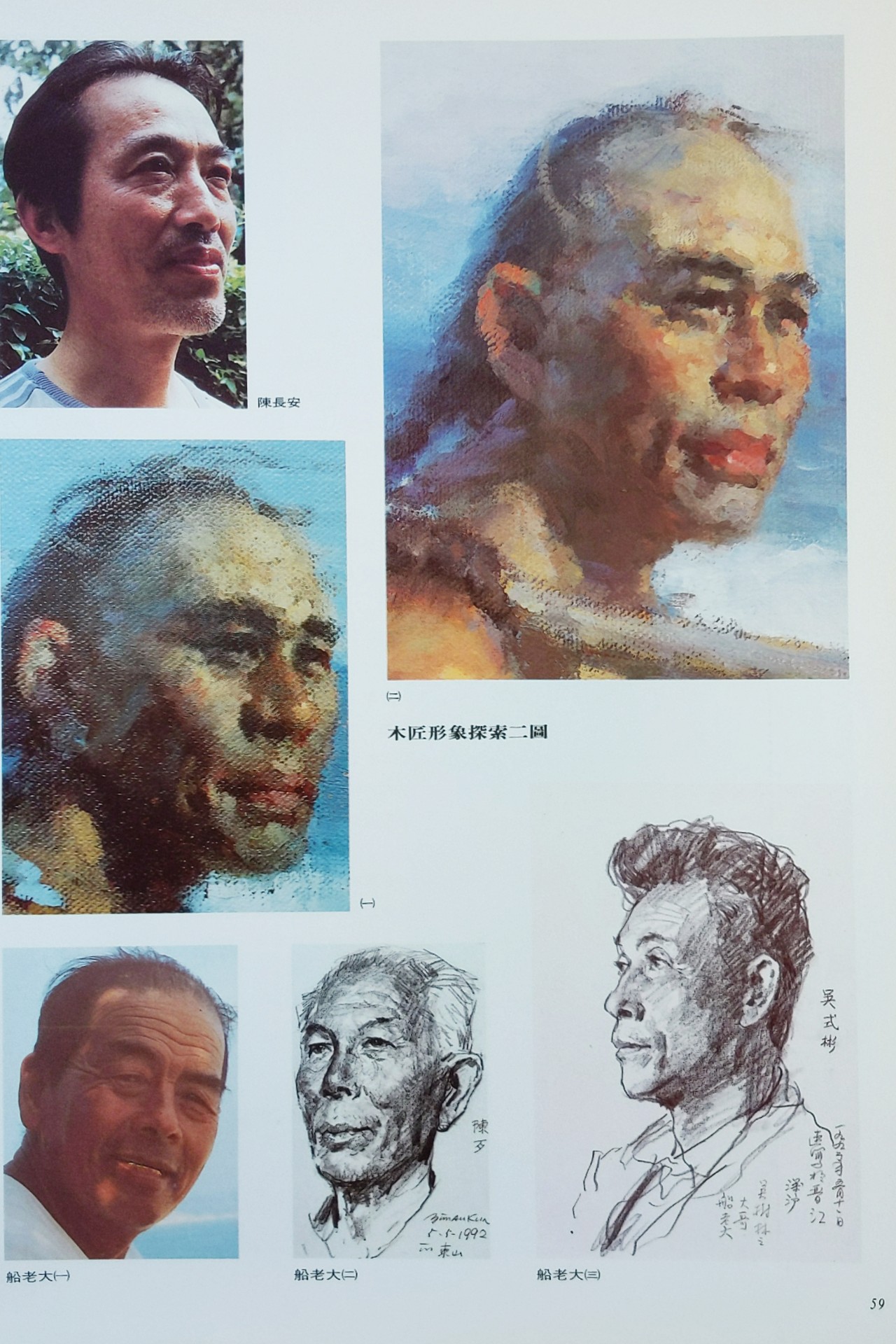
The Carpenter
The carpenter figure brings a sense of skilled labor and craftsmanship to the narrative. His hands, his tools, his bearing — all had to convey a life spent working with wood and building things. The character study focused heavily on the hands and the way the figure carries himself, suggesting both physical strength and the weariness of long labor.
木匠的形象為敘事帶來了熟練勞動和工藝的感覺。他的手、他的工具、他的舉止,都必須傳達一生與木材打交道和建造的生活。
The Peasant Woman
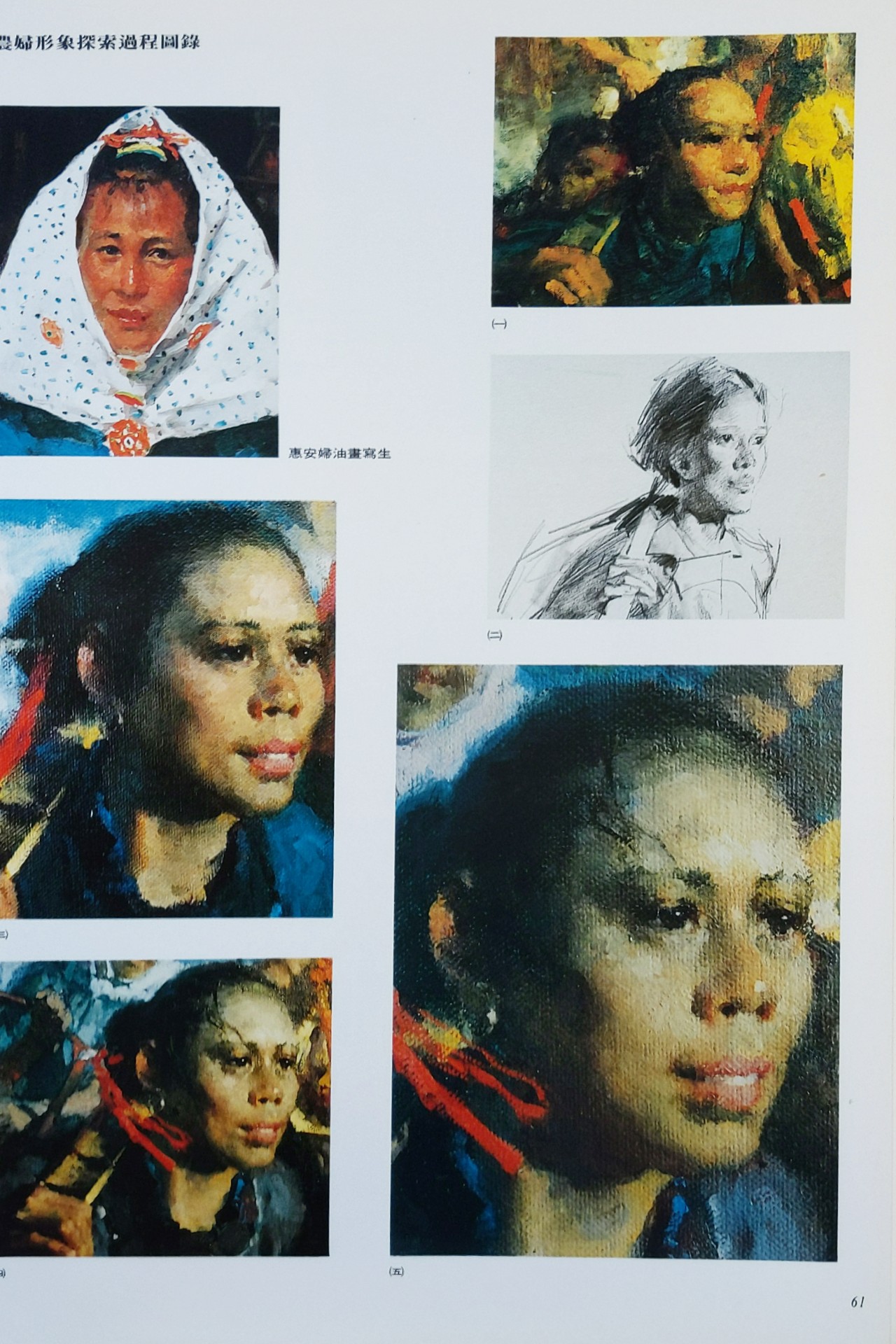
The female farmer represents resilience and maternal strength. Her posture, the way she carries her burden, and her weathered face all speak to the life of rural women who work alongside men in the fields while also bearing the weight of family responsibilities. Finding the right model and the right gesture for this figure was essential — she needed to appear strong but not hardened, tired but not defeated.
女農代表了堅韌和母性的力量。她的姿勢、她携帶負擔的方式、她飽經風霜的臉,都說明了農村婦女的生活。
The Old Man and Woman with Bundle
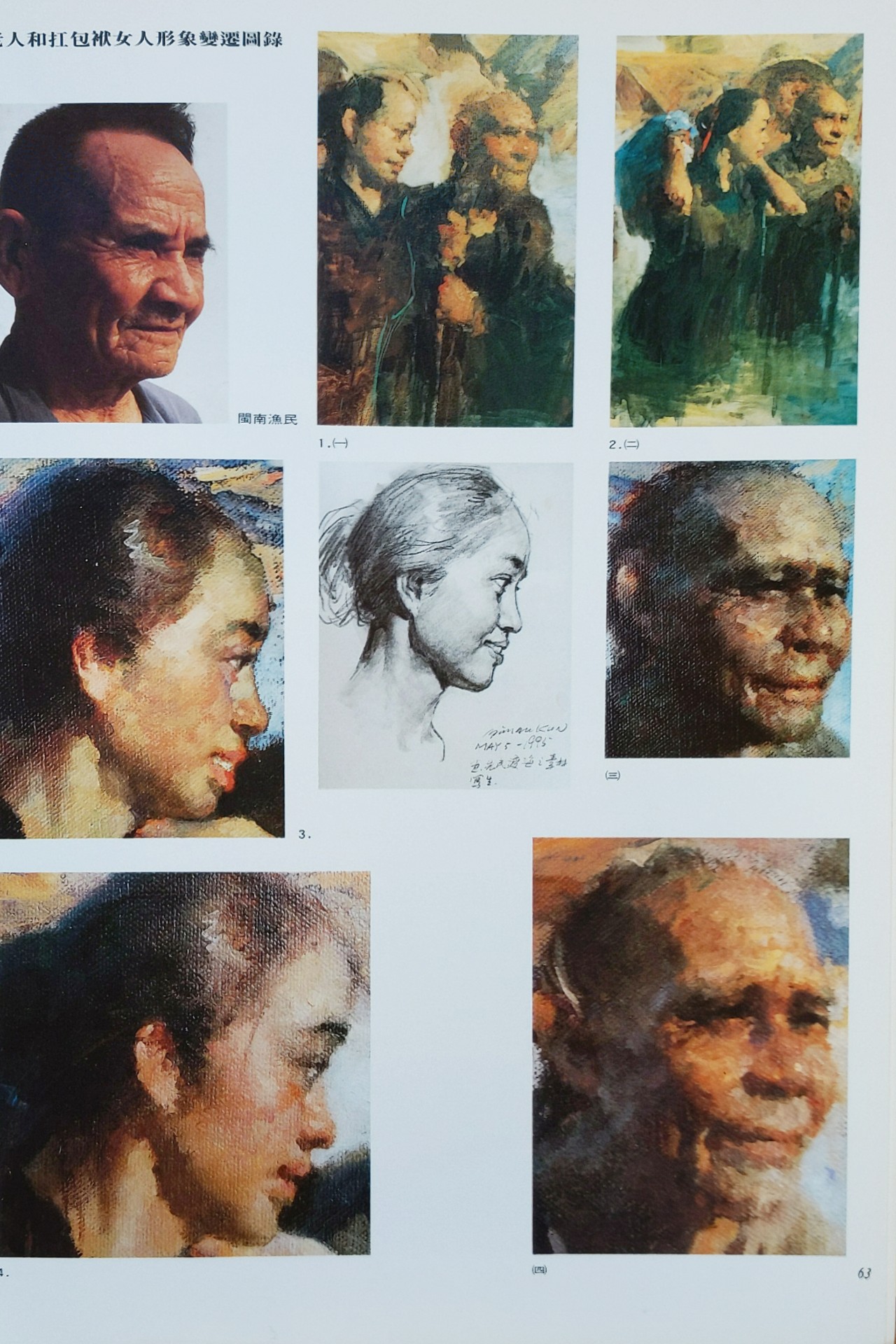
The old man and the woman carrying a bundle represent the older generation — those who carry not just physical belongings but the weight of memory, tradition, and loss. Together, they form a pair that speaks to the universal experience of displacement and the longing for home. The old man’s stooped posture and the woman’s protective grip on her bundle were carefully studied to convey both fragility and determination.
老人和攜包裹的婦人代表了老一輩,他們攜帶的不僅是物質的物品,還有記憶、傳統和失落的重量。
Field Research and Reference
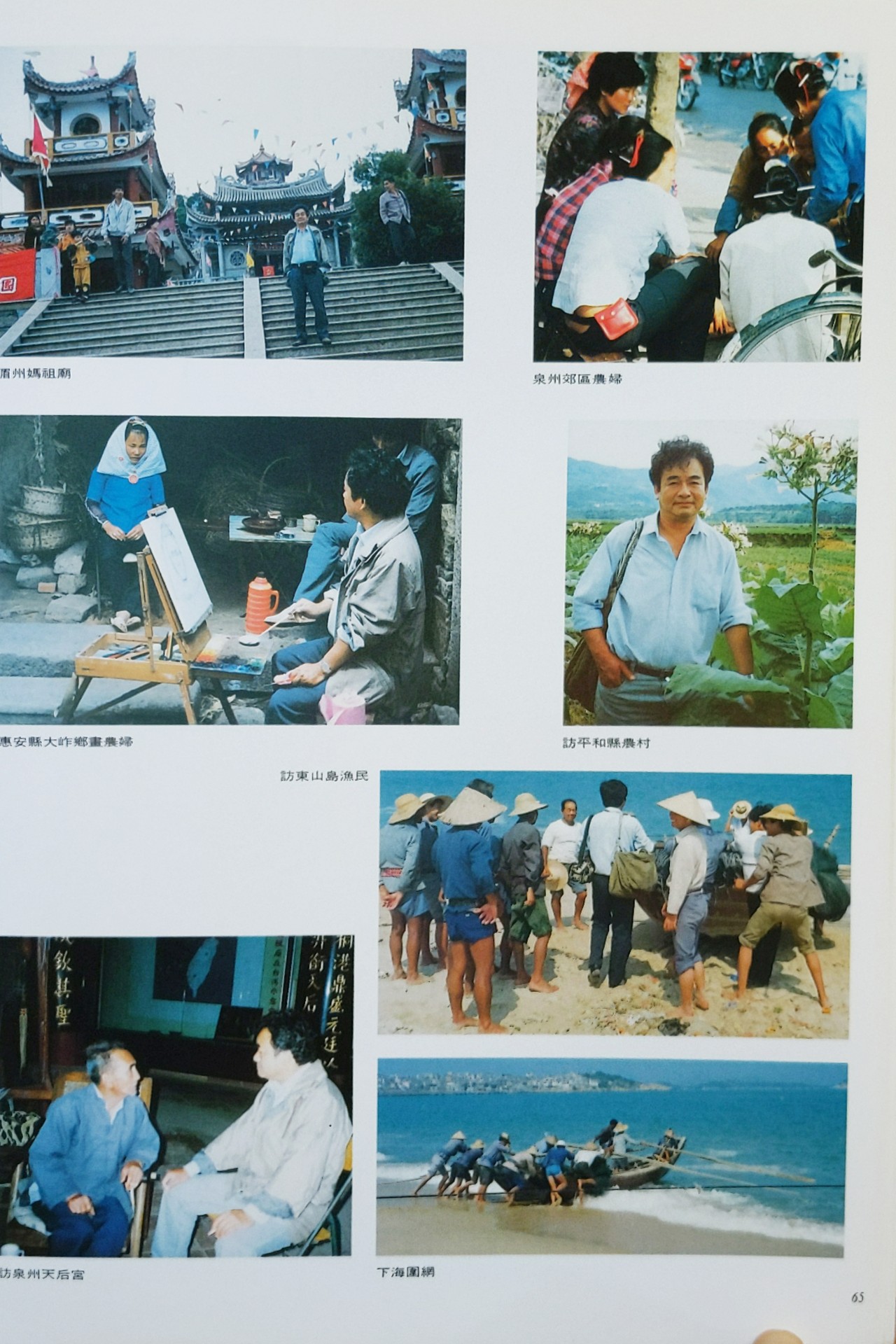
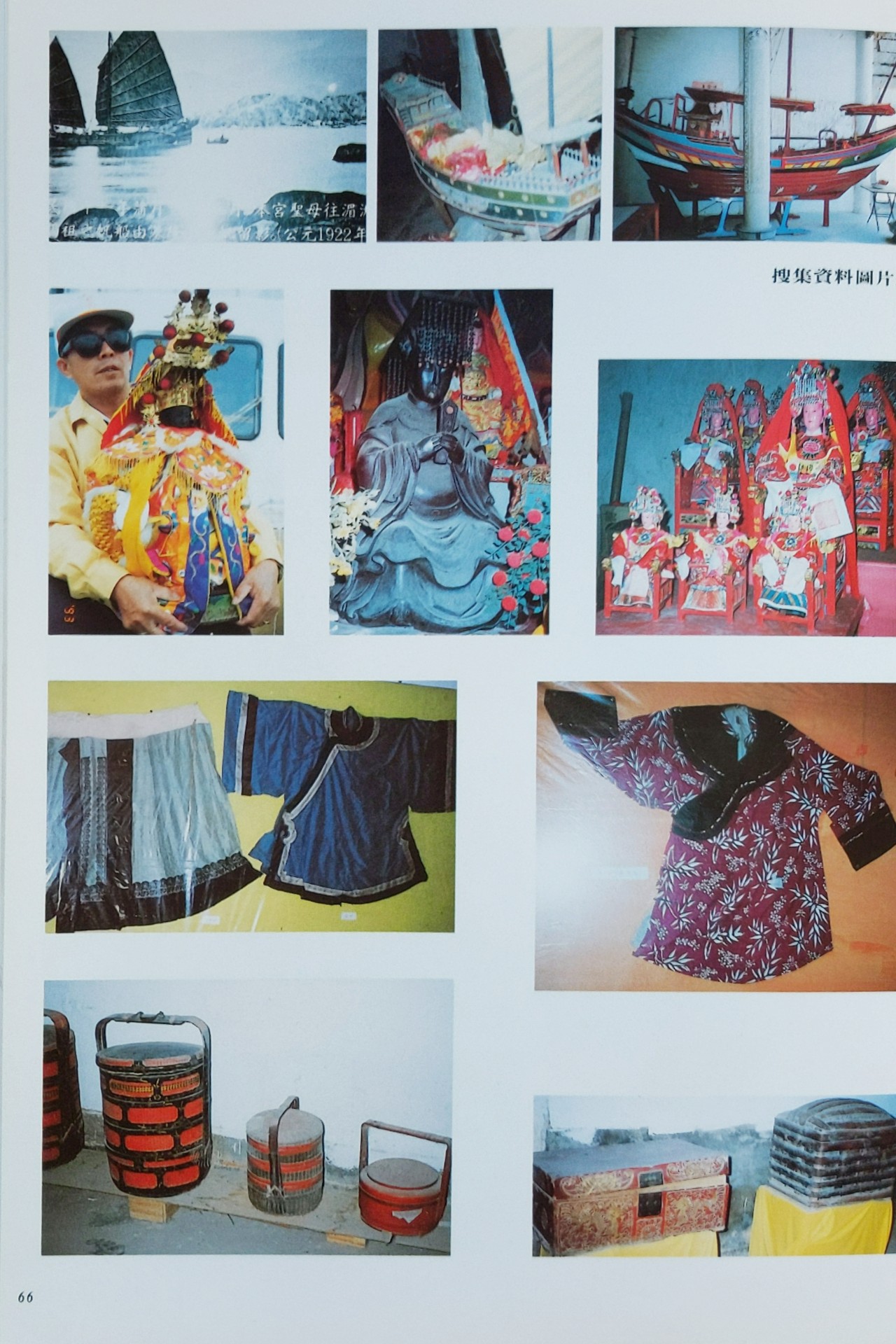
Creating convincing characters requires going beyond the studio. For “Reaching Shore,” I traveled to rural areas to observe and sketch working people in their natural environment. These field trips provided invaluable reference material — not just visual details of clothing, tools, and posture, but the authentic atmosphere and emotional texture that comes from direct observation of life.
創作令人信服的人物需要走出工作室。為了「到彼岸」,我前往農村地區觀察和寫生勞動人民。這些實地考察提供了寶貴的參考材料。
The creation of “Reaching Shore” spanned several years of work. From the initial concept to the final brushstroke, the process demanded patience, persistence, and a willingness to revise. But the satisfaction of seeing all these individual characters come together on a single canvas, telling a story that moves viewers — that is the ultimate reward of narrative painting.
「到彼岸」的創作橫跨了幾年的工作。從最初的構思到最後一筆,這個過程需要耐心、堅持和修改的意願。但看到所有這些單獨的人物在一張畫布上匯聚,講述一個感動觀者的故事,這就是敘事畫的終極回報。
Free Drawing Guide
Want a structured introduction to Yim Mau-Kun's drawing method?
Download the free 5-Step Classical Drawing Method guide.
Send Me the Free Guide