An artist’s life remembered through family, history, teachers, places, and art.
Drawn from Yim Mau-Kun’s handwritten notes and a continuing series of oral-history conversations with his daughter, Iris Yim, these memoirs preserve the experiences behind the artist: his childhood in Hunan, family separation after 1949, early encounters with art, professional training, political upheaval, migration, and the people whose lives intersected with his own.
These memoirs are based on Yim Mau-Kun’s handwritten recollections and oral-history interviews recorded late in life. Some events occurred many decades ago. Dates, names, places, titles, and historical details are preserved as remembered unless independently verified. Where uncertainty remains, the articles note it rather than silently reconstructing the record.
Childhood, family upheaval, early schooling, first encounters with art, and the road from Changde to professional art training.
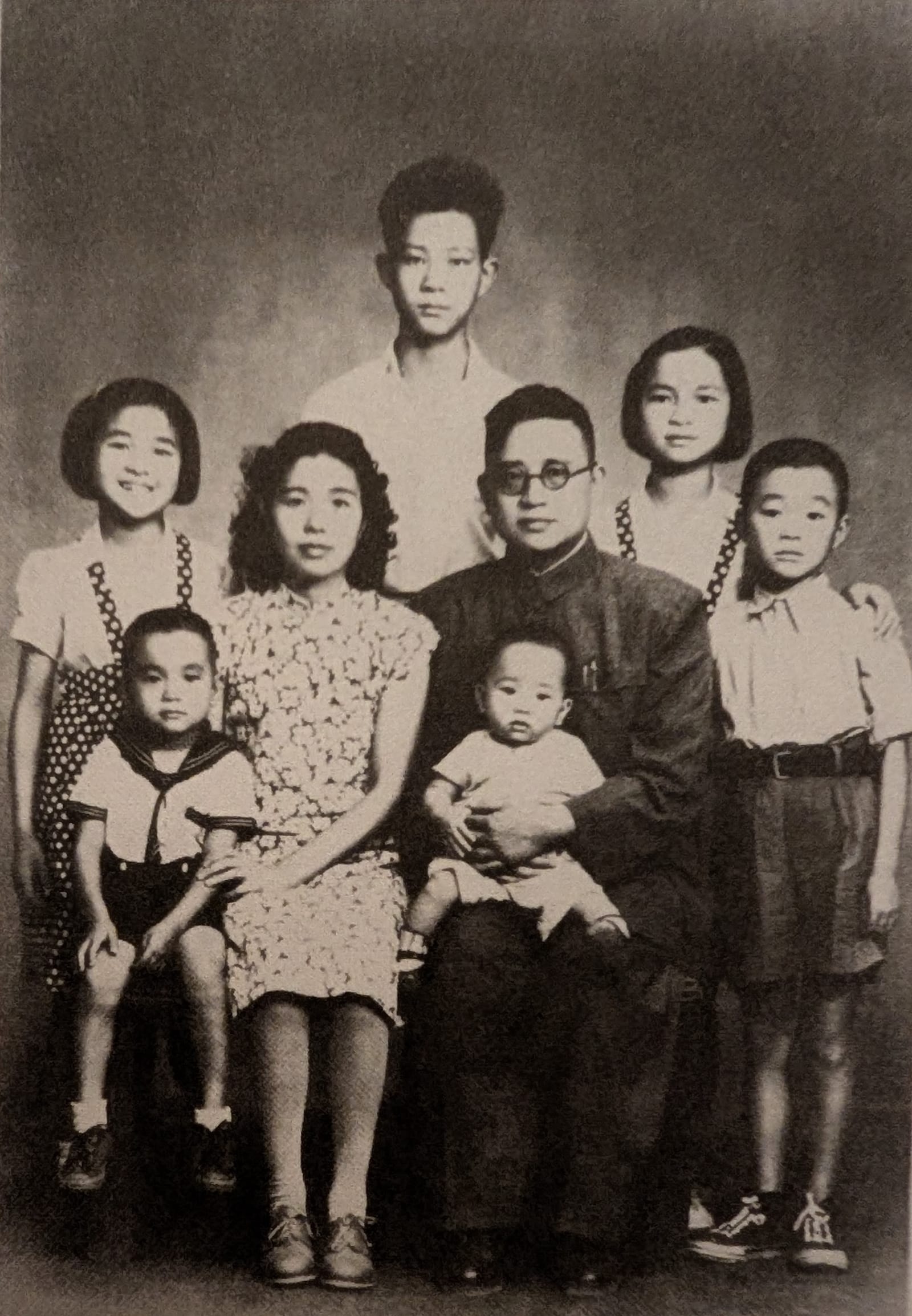 My Father Went to Taiwan, We Stayed in HunanIn 1949 Yim Mau-Kun's father left for Taiwan while the family stayed in Hunan. What seemed a brief separation quietly became permanent.
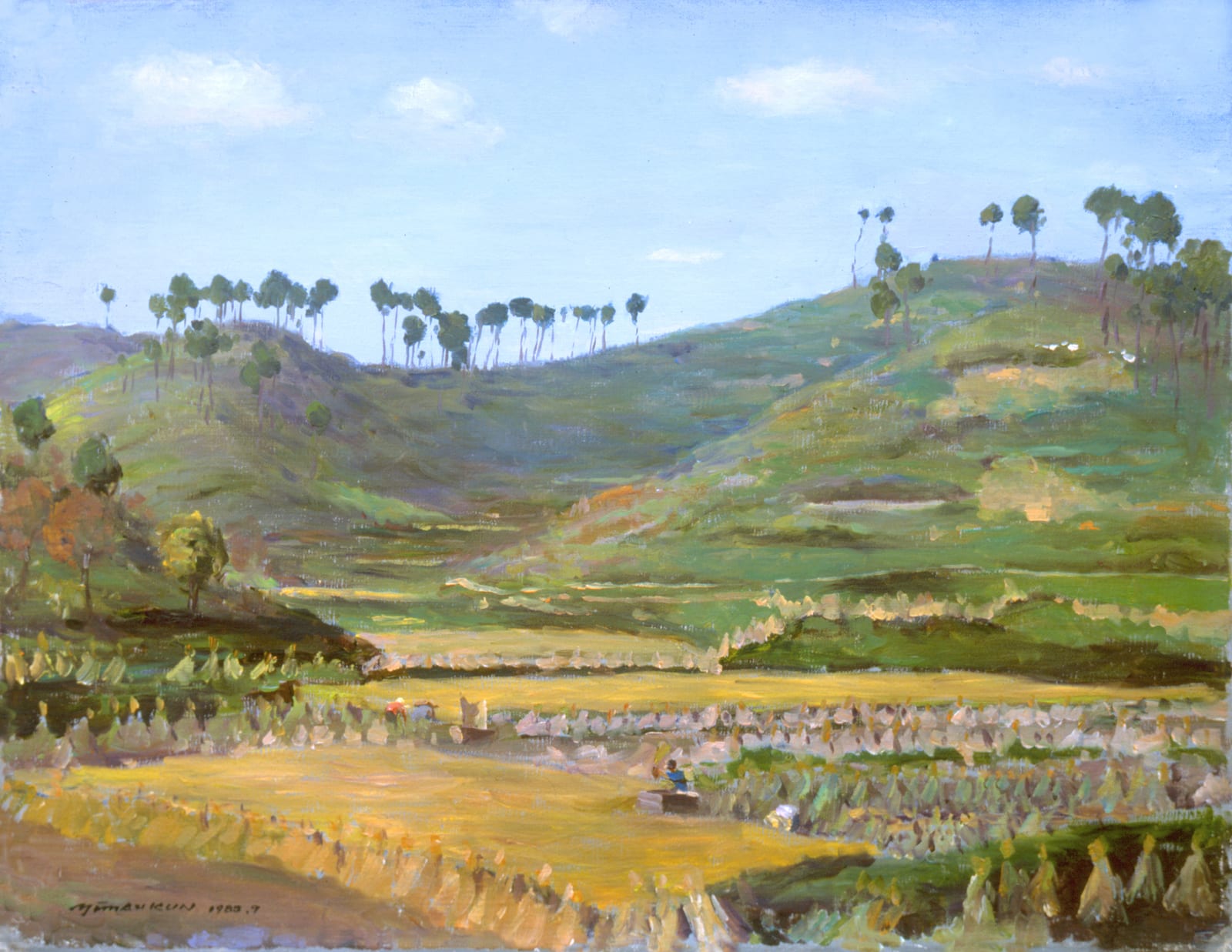 When a Scholarly Family Encountered Land ReformLand Reform reaches a family that valued learning. The Huangfus are reclassified, the next generation becomes farmers, and Yim Mau-Kun takes a different road.
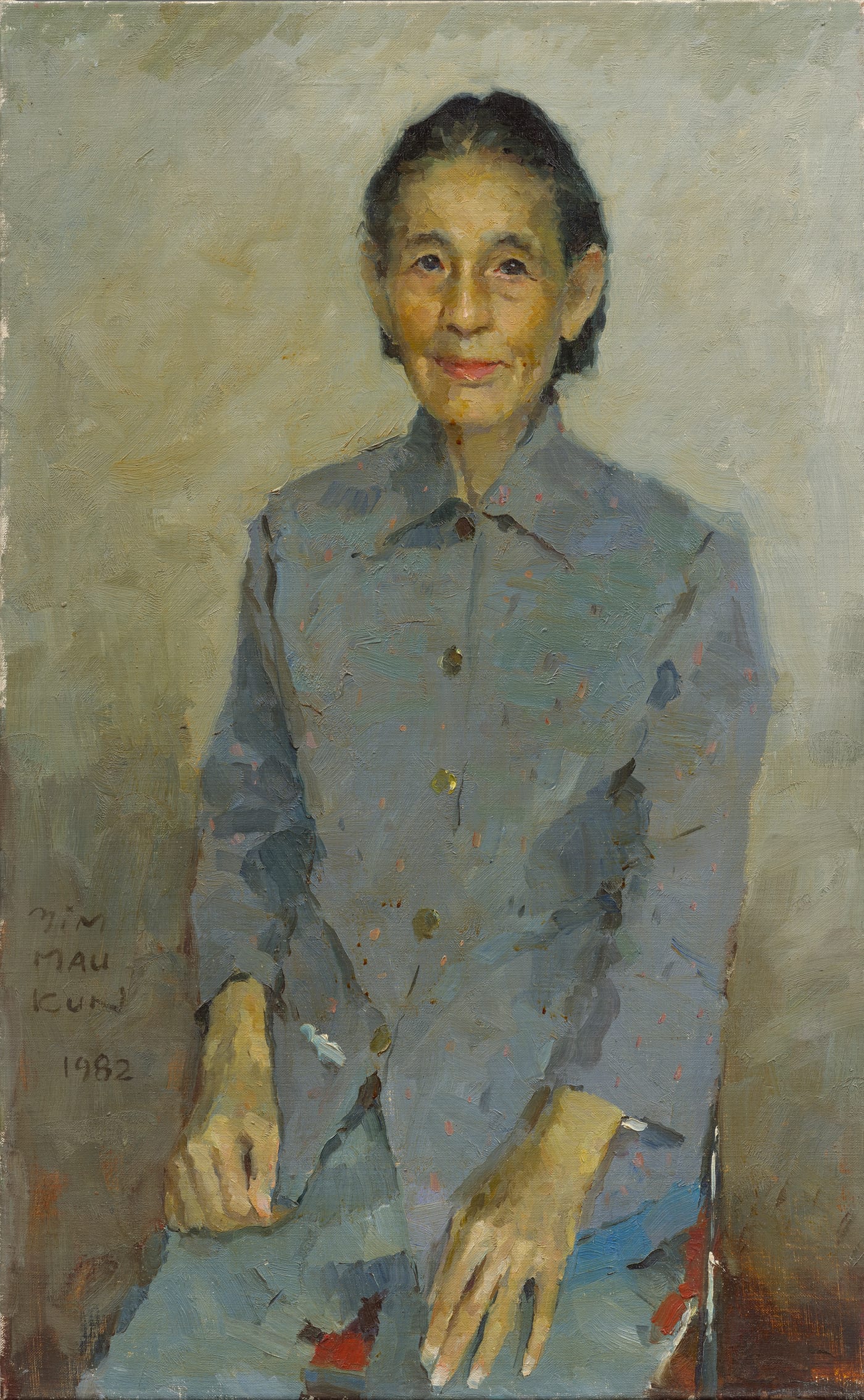 My Mother: The Night She Said Guanyin Saved HerFrom a single portrait unfolds the life of his mother, Huangfu Dao'an: wartime flight, separation across the Taiwan Strait, land reform, and the night at Shigutan she said Guanyin saved her.
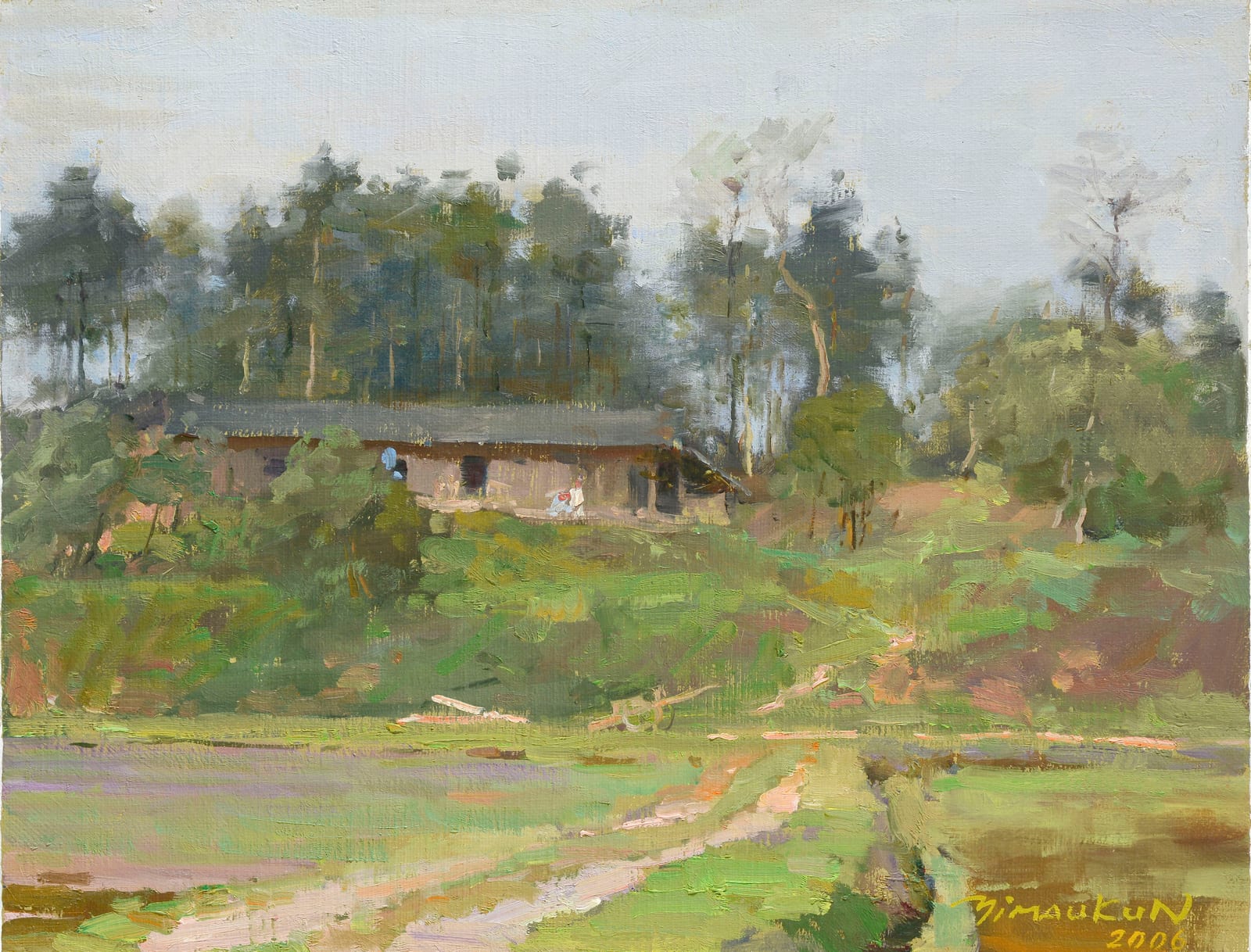 Shigutan: My Early Appointment with NatureHis father gone, his family scattered — yet at Shigutan the young Yim Mau-Kun formed his earliest memories of nature: a river, rice fields, turtle fishermen, and summer waterwheels.
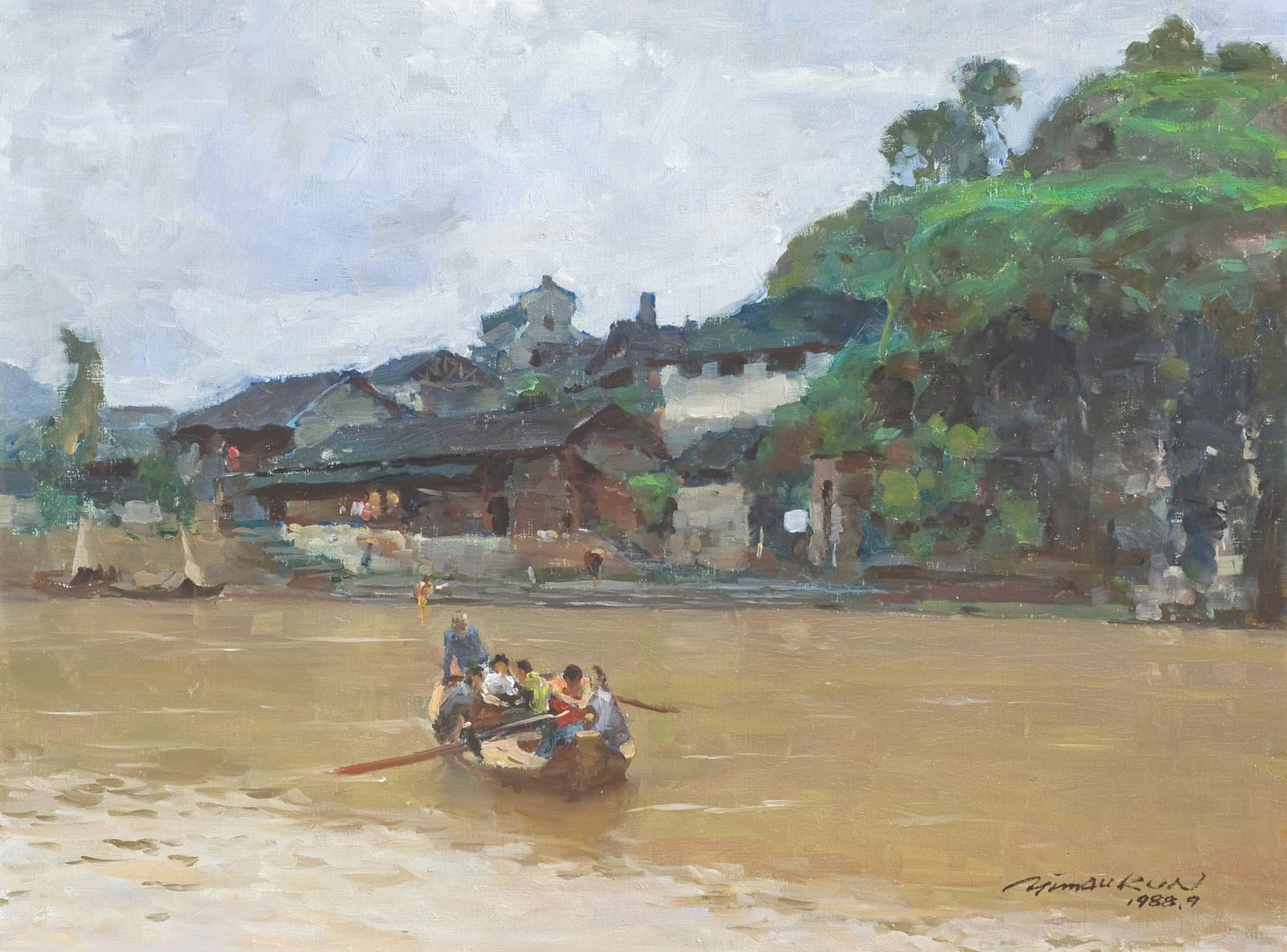 Three Children in the WaterAfter a storm, three boys in the muddy city moat suddenly can't touch the bottom — a childhood brush with danger, and the first of the turning points when someone was there to pull Yim Mau-Kun back.
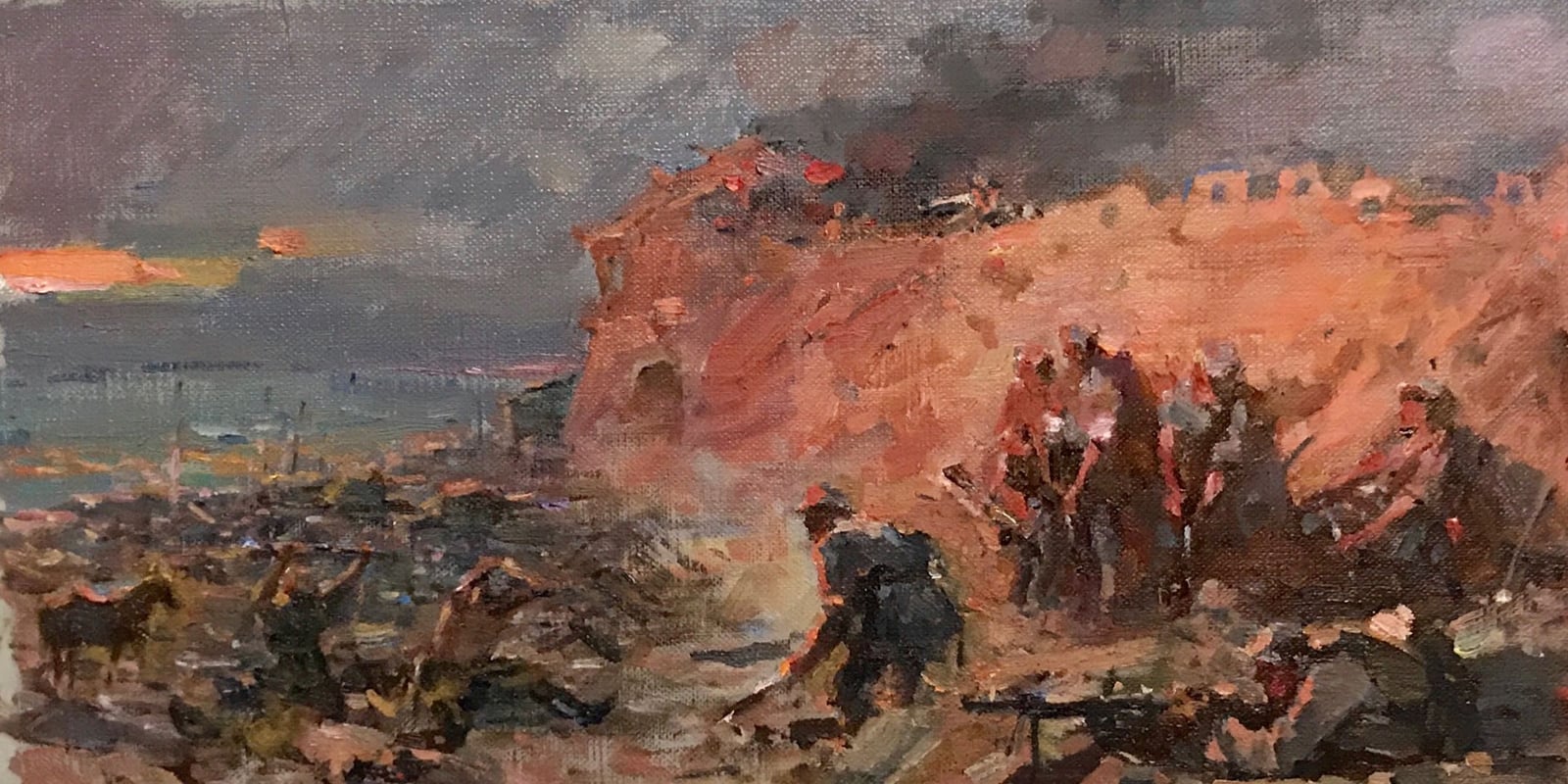 Lieshi Street Elementary School: A Childhood Beside the Memory of WarBack in Changde, Yim Mau-Kun found his way back to study and drawing at Lieshi Street Elementary School — on a street named for the Battle of Changde, where his path toward art quietly began.
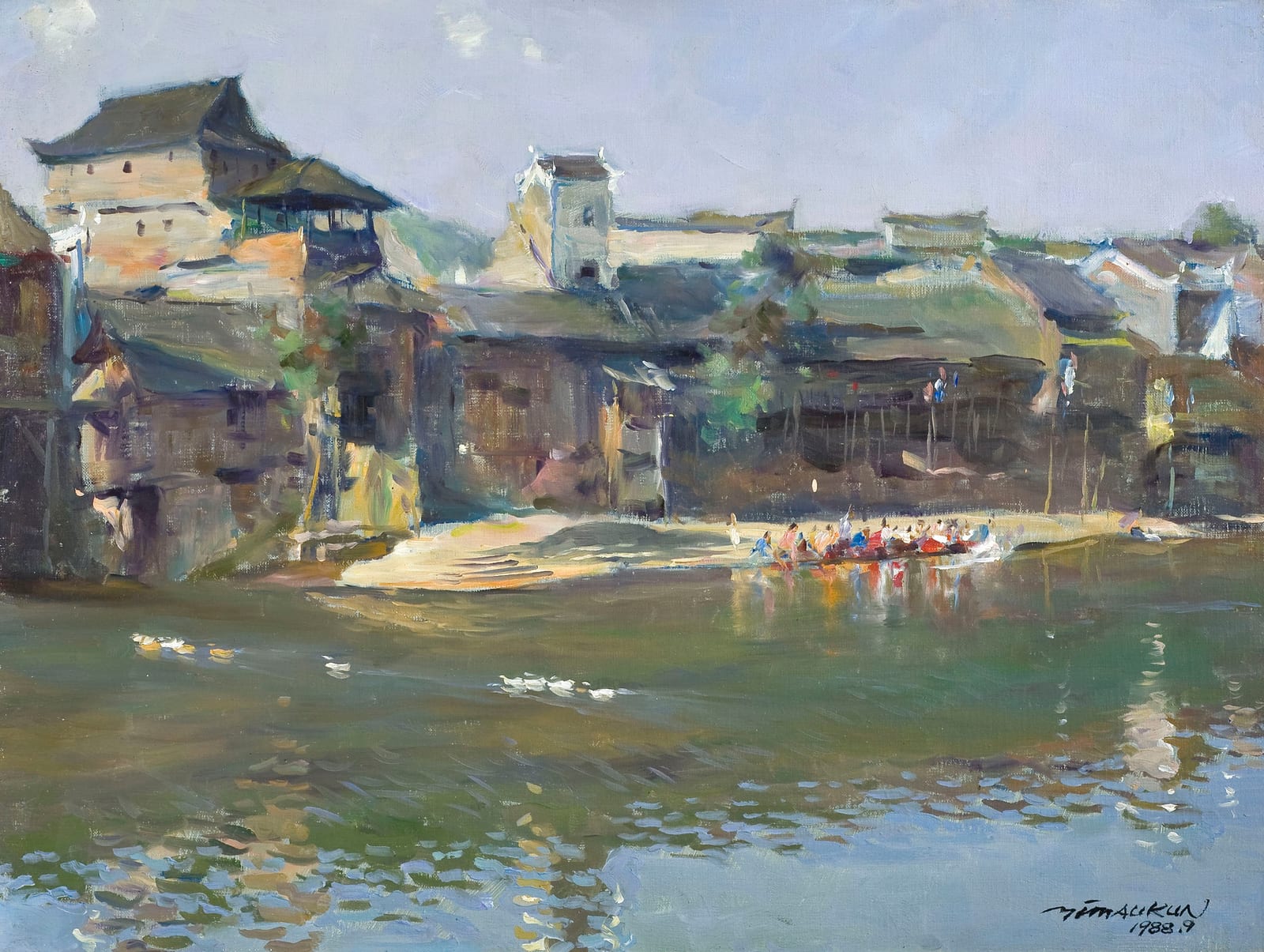 Ganlu Temple: The First Painter I KnewAt a school converted from a temple, the young Yim Mau-Kun met Teacher Ouyang — the first person he ever knew as a 'painter.'
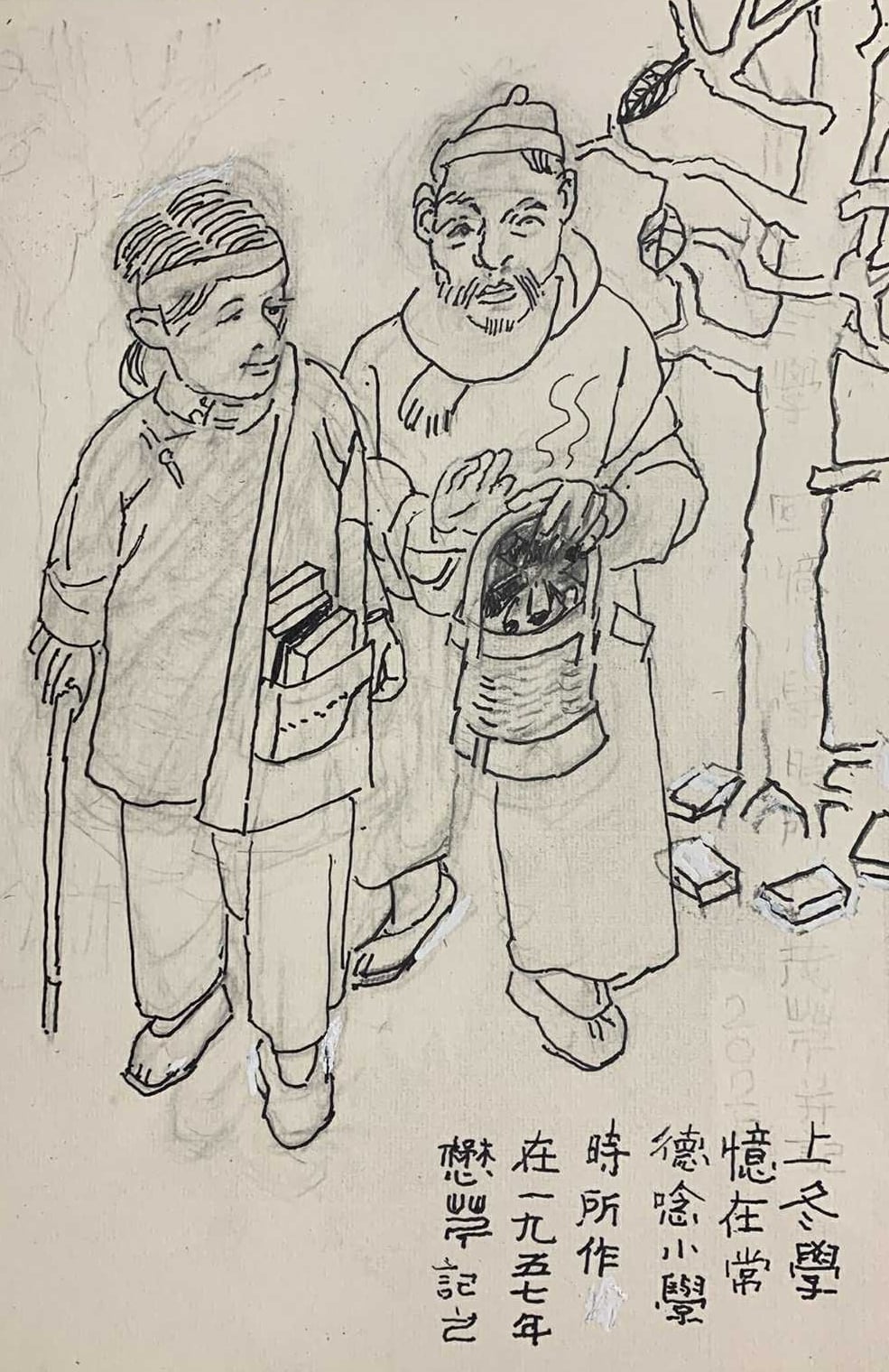 Going to Winter School: Yim Mau-Kun's First Remembered CompositionAn elderly couple with a warming basket, walking to an evening literacy class — the earliest 'composition' Yim Mau-Kun could remember. The original is lost; only the memory remains.
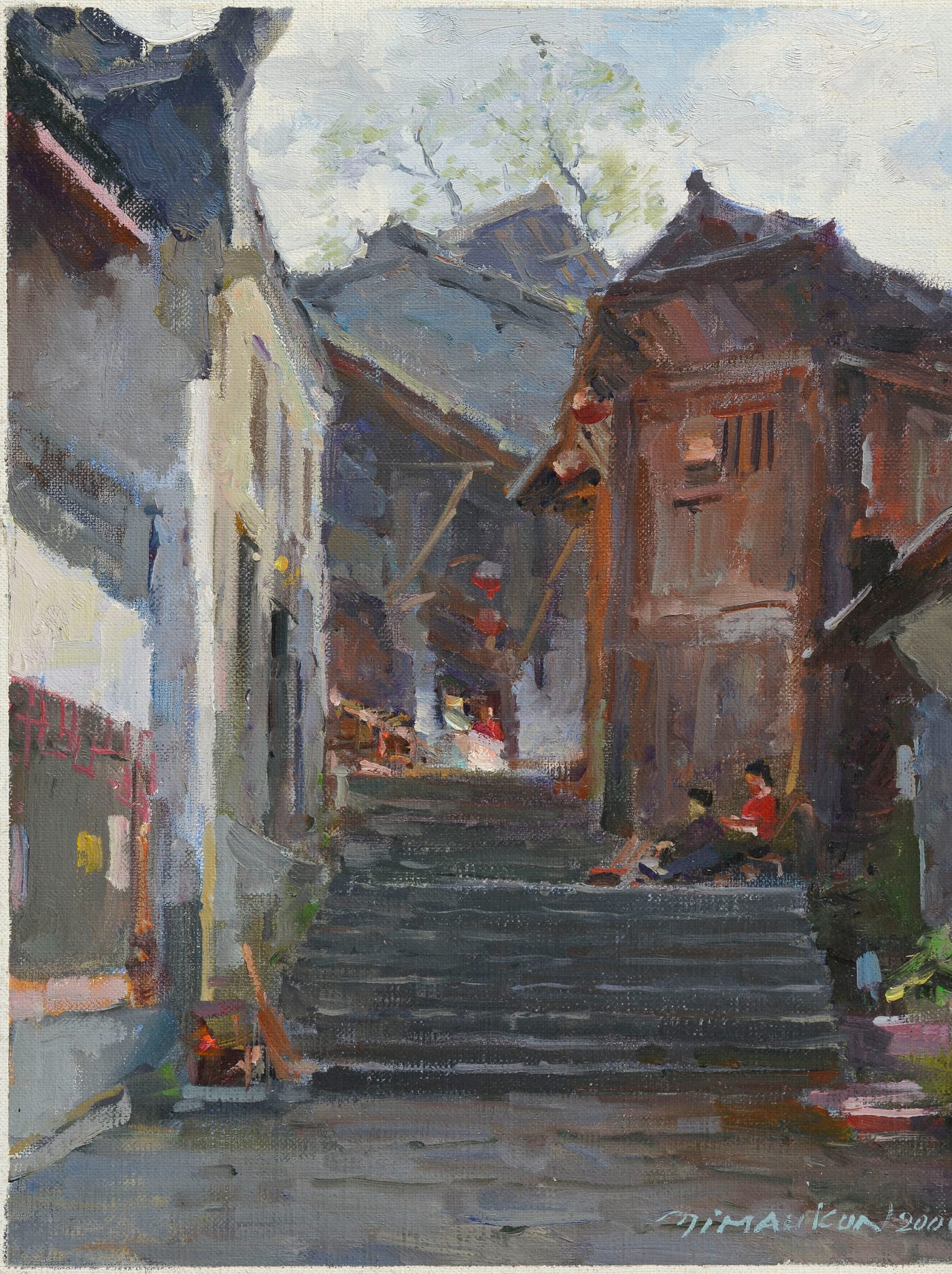 Liu Jiazhen and Mei Hanxin: Decades Later, I Still Owe My Teacher an Essay Called “My Mother”Liu Jiazhen and Mei Hanxin were among the first to see Yim Mau-Kun draw. Returning to Changde decades later, he remembered an essay he had owed his teacher for a lifetime — 'My Mother.'
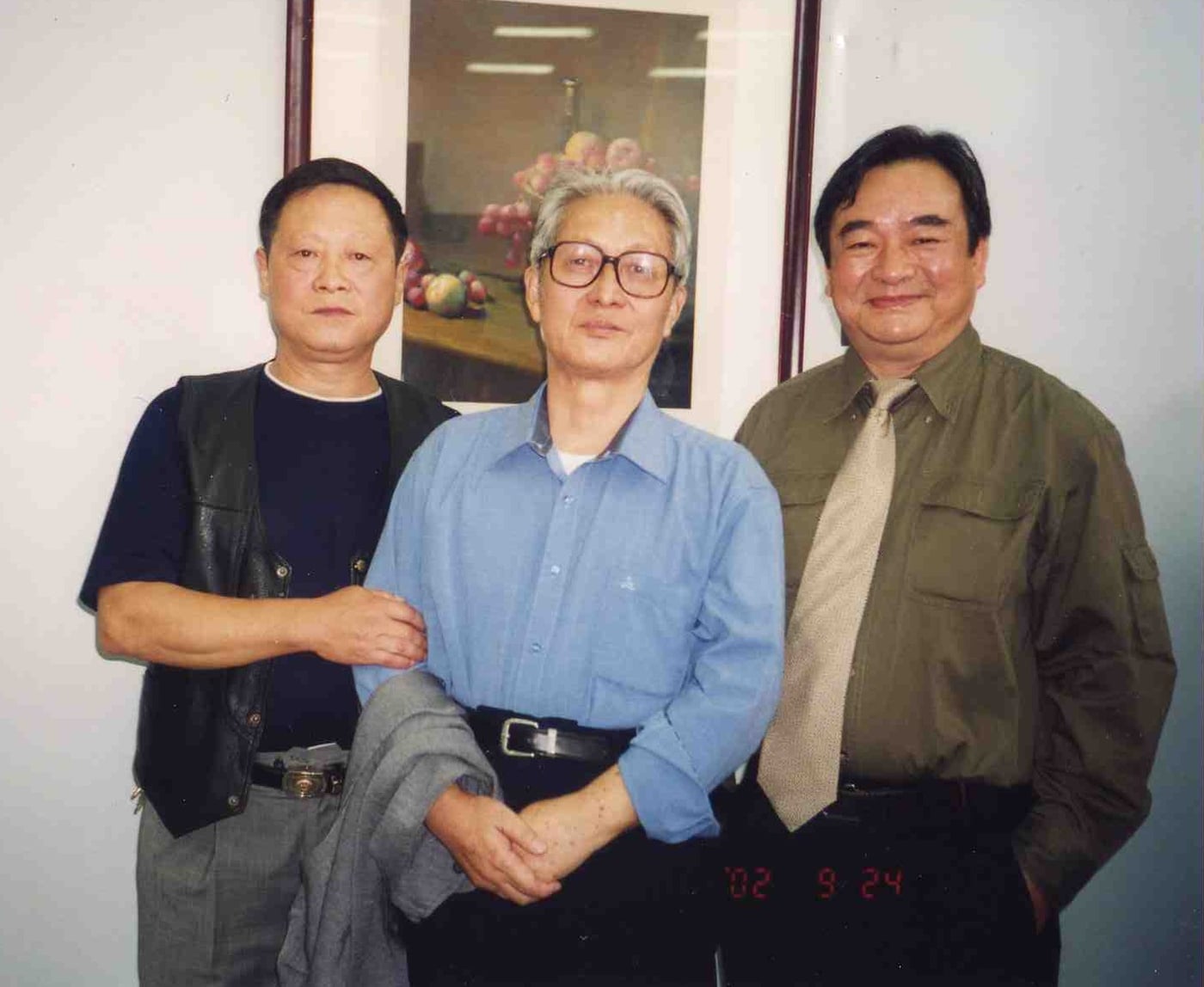 Changde No. 1 Middle School: From Rejection to the Art GroupRejected, then admitted to the art group at Changde No. 1 Middle School, Yim Mau-Kun met Zhou Xinzhong — and kept one lifelong lesson: 'You have to use the eraser skillfully.'
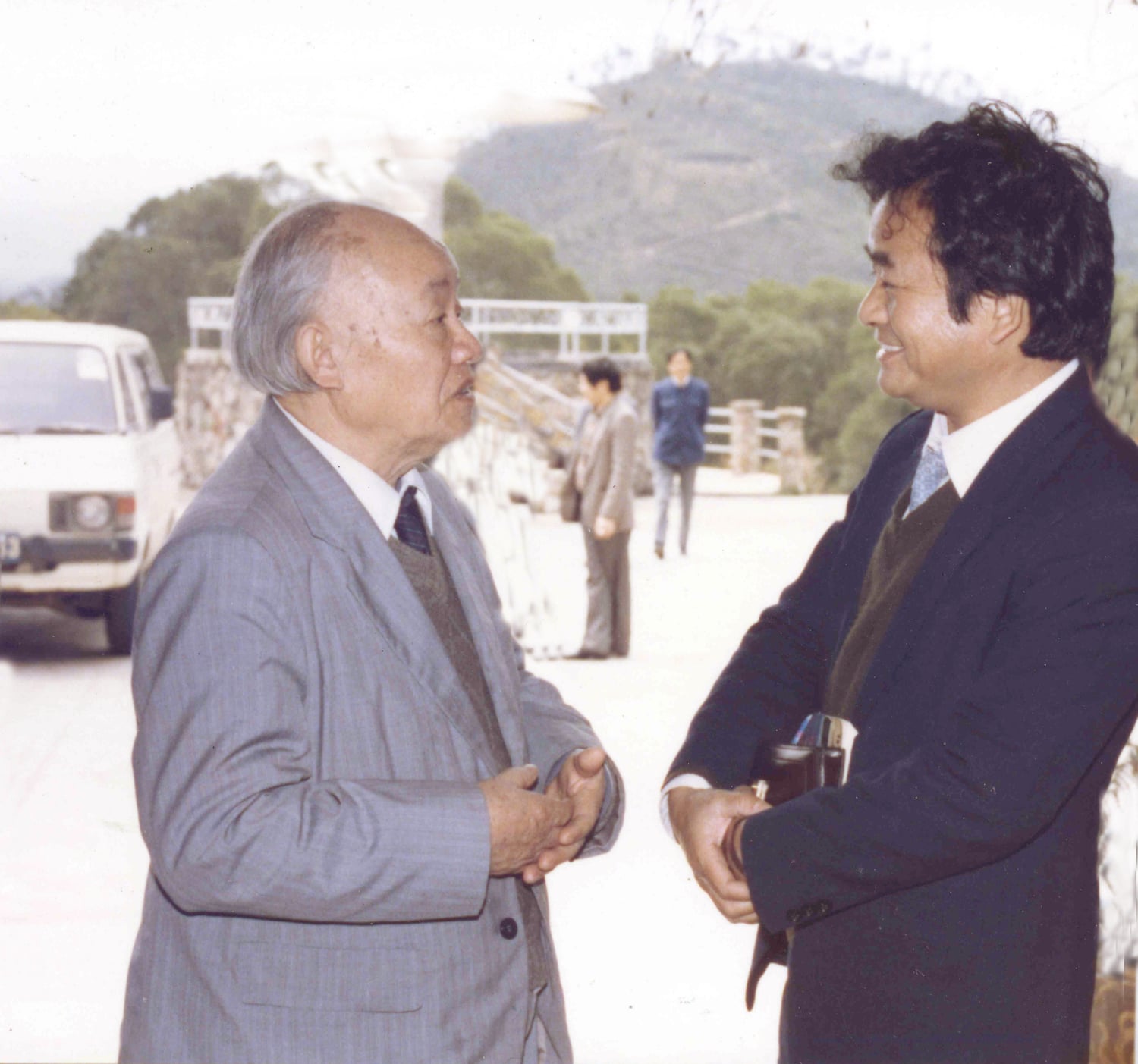 “He’s Still Just a Child”: How One Sentence from Hu Yichuan Changed Yim Mau-Kun’s LifeFirst in his exam district, yet nearly rejected over his family background. Hu Yichuan looked at the photo and said, 'He’s still just a child.' One sentence opened the door to Yim Mau-Kun’s life in art.
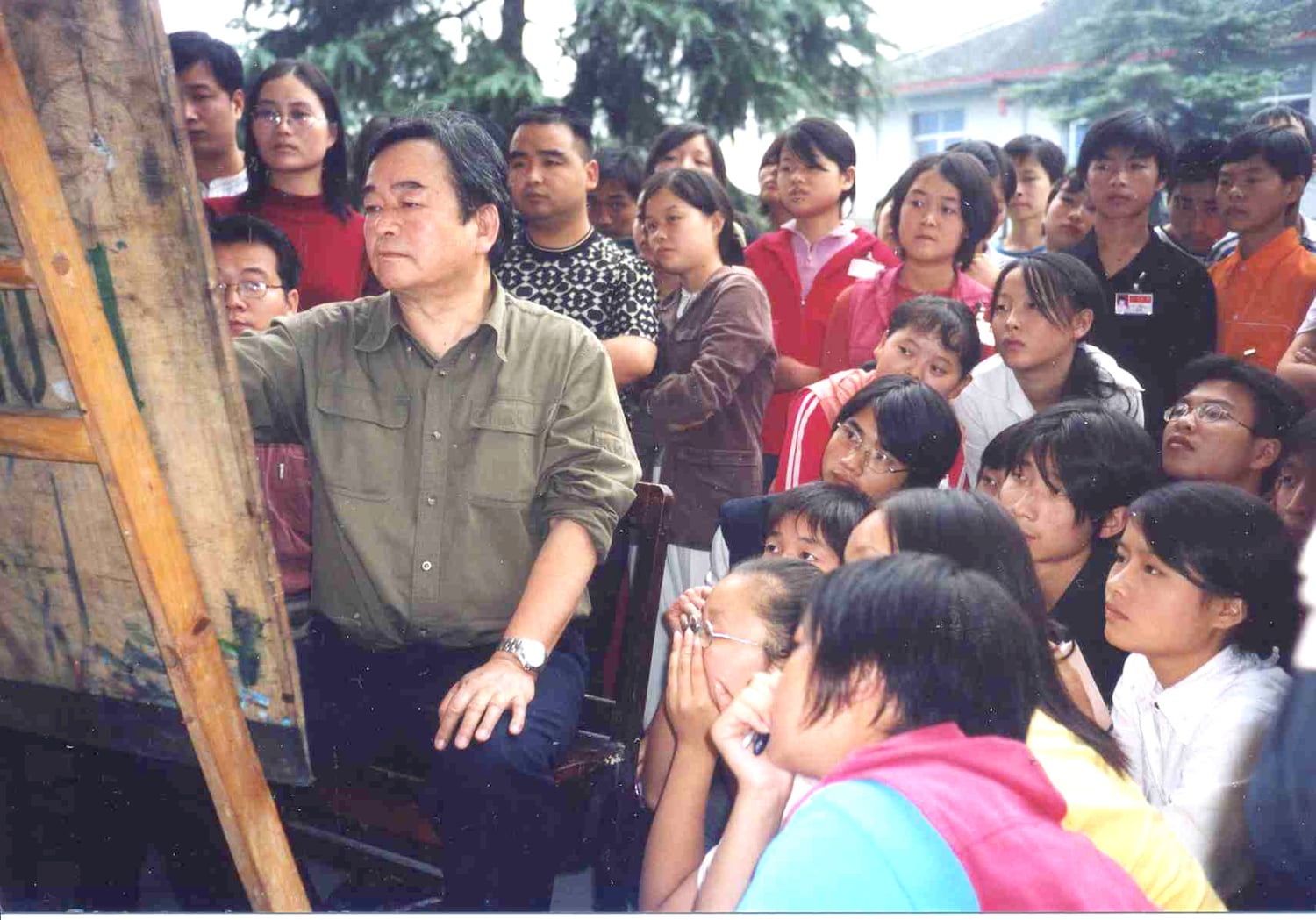 Three Torches: Returning to Qingjiaping Decades LaterBack in Hunan in 1998, Yim drove to Qingjiaping after dark. At a black crossroads, three cousins — the boys he grew up with, now farmers — waited with torches to light his way home.
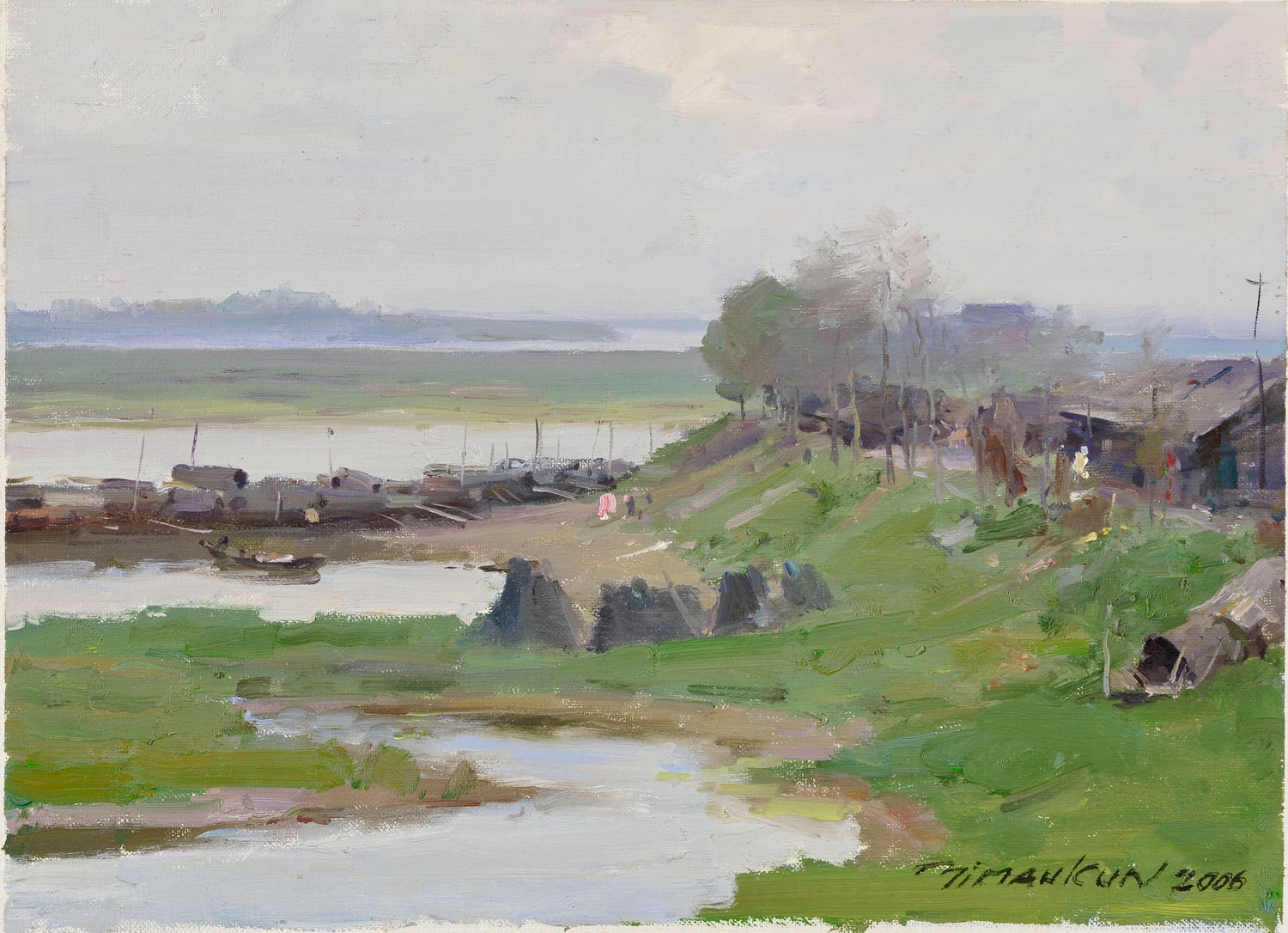 Sister Cai and Tao Mao'er: Another Family Left Behind by 1949More than sixty years later, Yim stopped at a roadside shop in Sanyanggang and found Sister Cai, a neighbor from his childhood. Her husband had gone to Taiwan in 1949; the son she raised alone longed all his life to see his father, and never made the trip.
Work, upheaval, and painting through a turbulent decade.
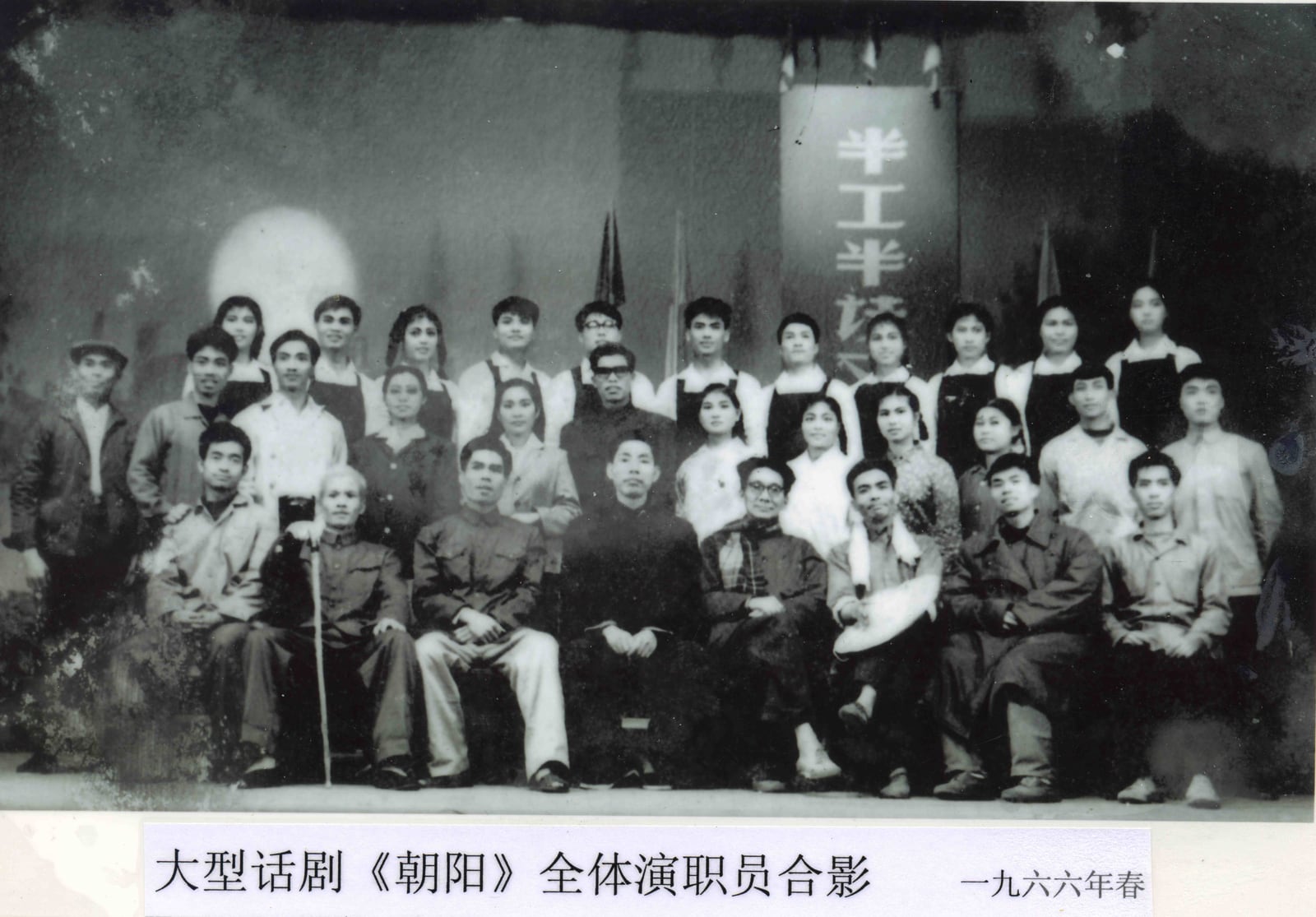 I Was from the 'Five Black Categories' — and I Still Dared to Seize GunsHis father went to Taiwan in 1949, and Yim carried the stigma of the 'Five Black Categories' — yet the Cultural Revolution still swept him into a rebel faction and through the window of an armory. Decades later he laughed and asked: what was I thinking?
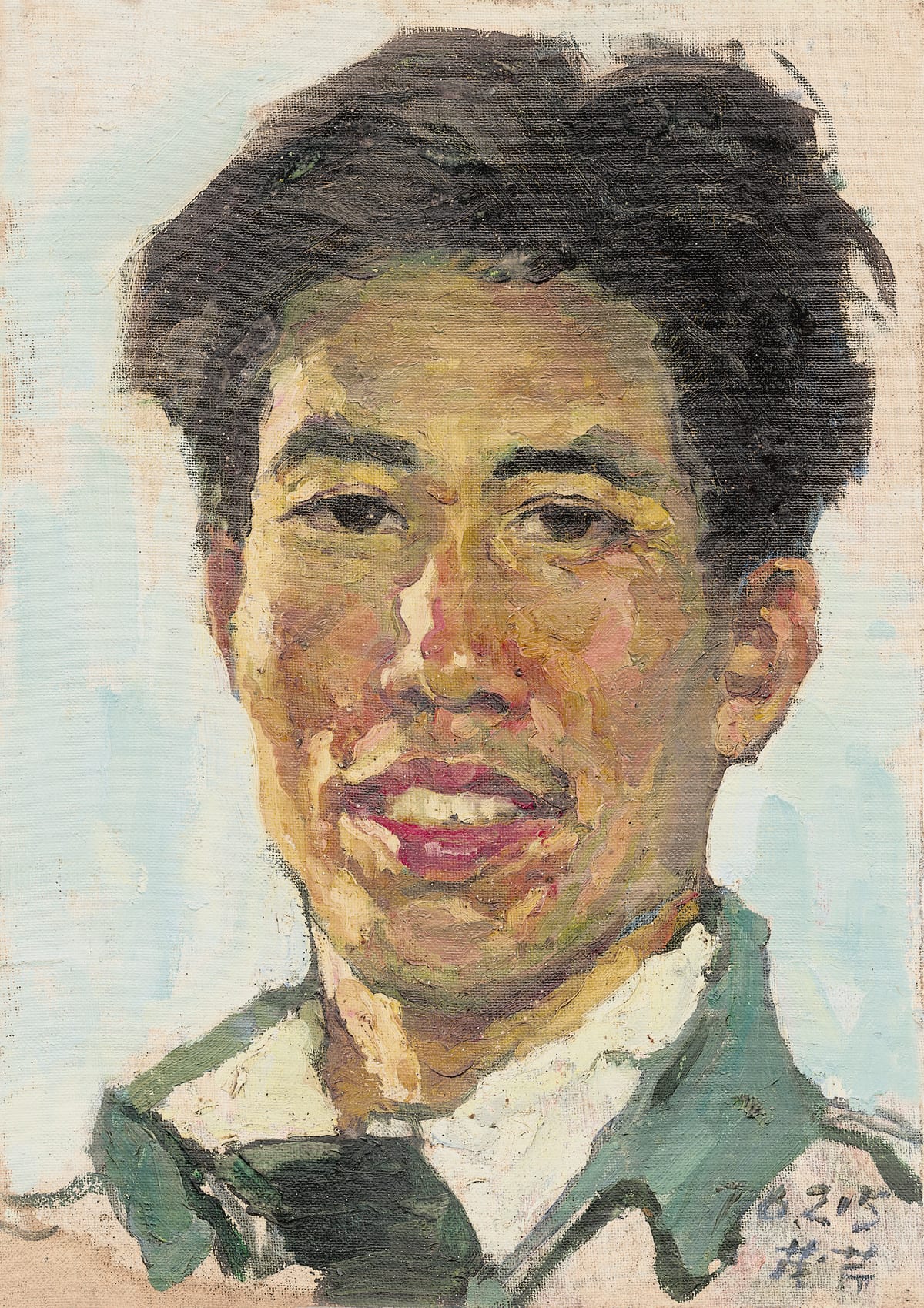 Lin Fengsu: The Years We Talked About Painting in ZhaoqingA small 1976 oil portrait holds the closest years of two painters' friendship in Zhaoqing — and more stories than could ever be finished.
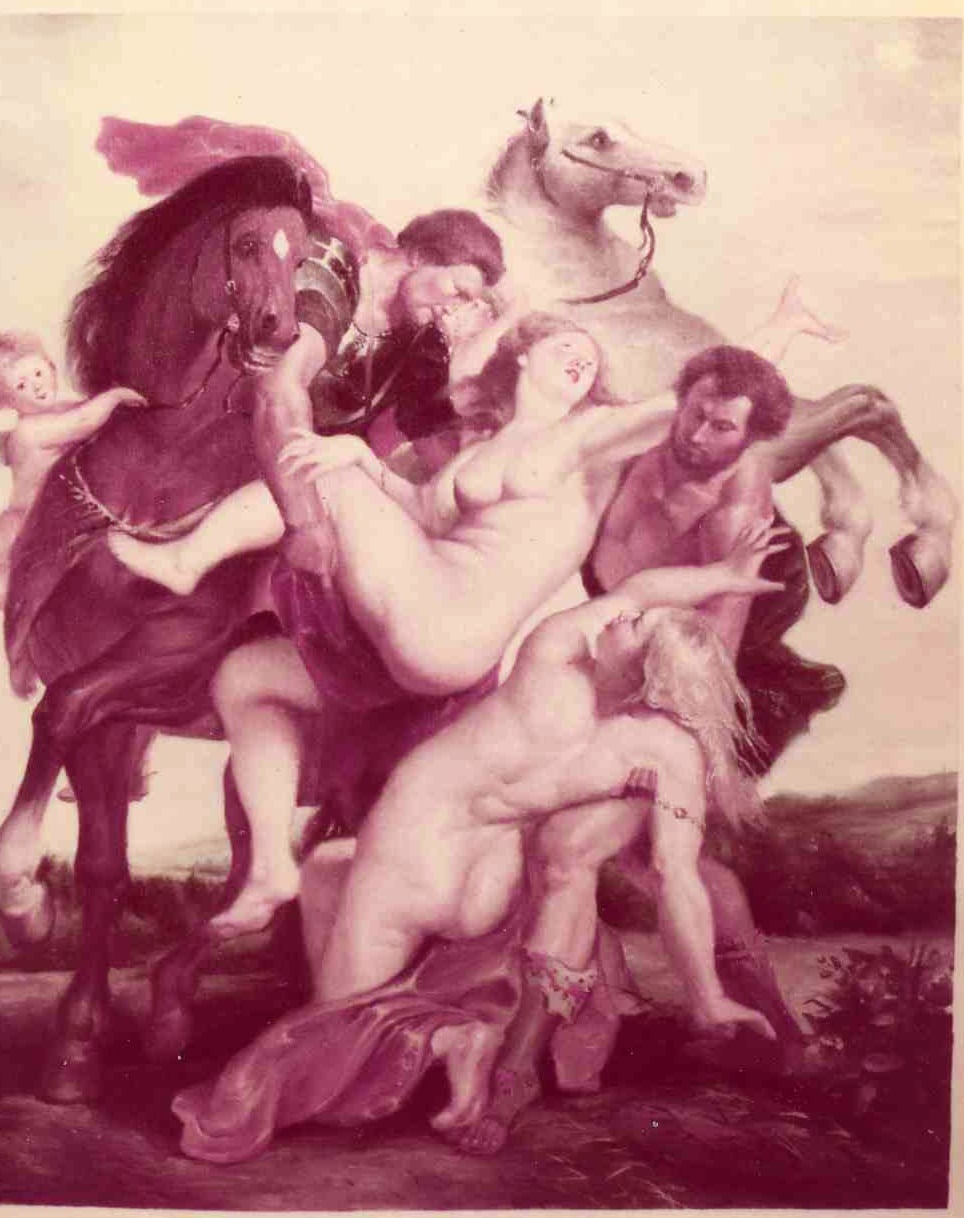 Passing By the Central Academy of Fine Arts: The Choice That Changed Yim Mau-Kun's LifeHe had already received the examination permit from the Central Academy of Fine Arts, but as the family prepared to leave the mainland, he mailed it back. The door was in front of him; he chose to turn away, toward an uncertain road that led first to Hong Kong, then to Taiwan.